

Ramadan Set Design: Lanterns and Arches Without the Clichés
Kate · Founder and Creative Director, BlueSky Studio
9 min readPrices checked
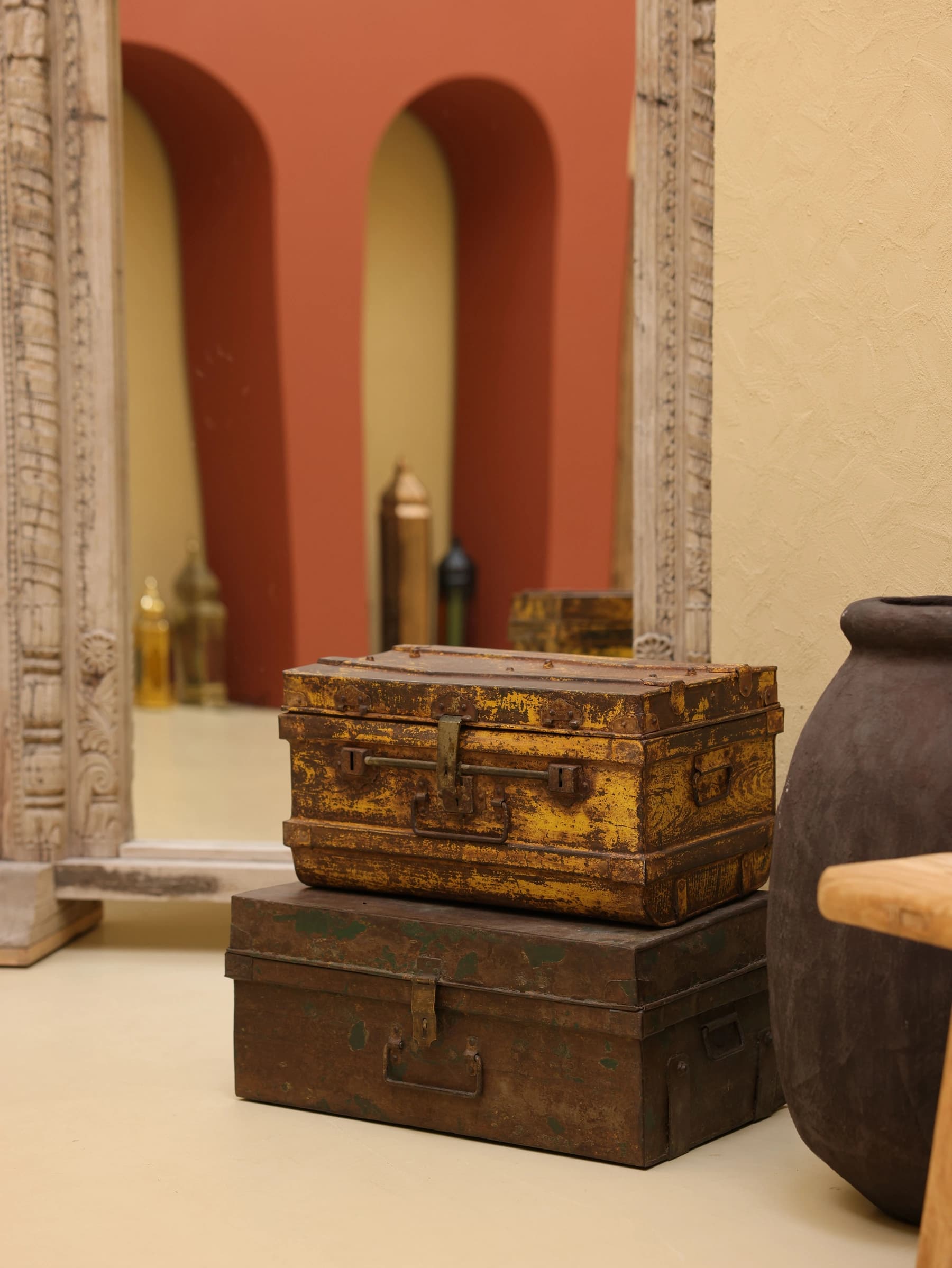
Better Ramadan photoshoot ideas come from architecture and light rather than more ornament: an arch used as a frame, one lantern that seems to light the scene, the table after the meal, and close crops of hands and cloth. Each replaces one of the five visuals found in every Ramadan deck.
You have seen that deck. A crescent, a string of warm bulbs, a lantern, a plate of dates. Those pictures stopped meaning much once banks, burger chains and perfume houses across the UAE were all running them in the same week.
The timing is tight. Ramadan 2027 is expected to begin on Monday 8 February 2027, subject to moon sighting, and a campaign shot eight to twelve weeks ahead lands between mid-November and mid-December. The creative needs signing off now.
The five visuals in every Ramadan brief
None of the five is wrong in itself. Dates and lanterns belong to the month. The trouble is the treatment: each one decorates without telling a story, shows up in feed after feed in the same week, and says nothing about the product. Here they are, each with a version worth shooting in its place.
- The generic metal lantern with a candle inside. Often rented, often from another region's tradition, and rarely the thing lighting the frame. Shoot one lantern that does the lighting, or looks as if it does.
- The crescent moon, as a prop or a graphic. It names the season and adds nothing else. An arch says the same thing through a place, and puts the product inside it.
- Dates on a plate, shot flat from directly above with a sprig of mint. It shows food nobody has touched. Shoot the table after the meal, at eye level, with the plates used.
- Fairy lights strung across a dark background as the only light source. They are far too weak to light a face, so something the viewer cannot see is doing the work. Use one practical source, and light that agrees with it.
- Silhouetted hands raised in prayer against a window. It puts worship behind a product. Hands at work, pouring, folding, wrapping, carry the same warmth without that problem.
Why they stopped working
Two reasons. The first is saturation. When every category shares the same five pictures, none of them belongs to anyone, and a viewer scrolling through a feed of crescents cannot tell one brand's from the next.
The second is that they show the decoration of Ramadan and leave out what the month looks like at home: a table being set, the light changing before sunset, family arriving at the door. Decoration can be rented. Good Ramadan set design builds the rest from place, light and time of day.
Idea one: architecture instead of ornament
An arch, a niche and a carpeted floor carry Ramadan without a single prop, because they point to a place.
Use the arch as a frame around the subject. Stand the model inside the opening so the curve crops the top of the picture, and let the plaster texture carry the warmth. Keep the camera level, so the sides of the arch stay vertical.
Light it with one soft source, high and to the side. The arch then throws its own shadow across the opening, and that shadow is what makes it read as real architecture. A painted flat lit from the front gives itself away in the first frame. Real relief in the plaster does more here than any prop placed in front of it.
Idea two: one lantern as the light source
Swap the fairy lights for a single practical, a real lantern or a lamp, placed in frame. Then light the scene so the lantern appears to do the work.
A lantern on its own puts out too little light for a face, so a continuous LED head does the lighting from just outside the frame. Three things make the trick hold:
- Match the head's colour temperature to the lantern's bulb or flame, with a warming gel if the head will not go low enough.
- Put the head on the same axis as the lantern, so the light falls from the same direction and the shadows agree.
- Expose for the lantern's glow and let the corners of the room go genuinely dark.
The fall-off is what makes the frame look expensive. Light that dies away within a metre or two of the lantern reads as true, and light spread evenly across the room reads as a studio. Dim the practical until its metalwork holds detail, then shoot a short clip on the same setup, since continuous light serves stills and video at once.
Idea three: the table after the meal
The overhead flat lay of untouched food shows objects arranged for a camera. Shoot the aftermath: plates used, a glass half drunk, a seat pushed back, a hand reaching across for the last date. It implies people and time without showing a single face.
Shoot at eye level or a little above, the height of someone still sitting at the table. Keep one strong light from where a window would be, and let the far end of the table fall out of focus. Leave the crumbs.
Post this frame after iftar. Used plates appearing in a feed at noon sit badly during fasting hours.
Idea four: hands, texture and the close crop
Give the shot list a detail set. Hands pouring coffee, fabric being folded, the weave of a carpet, steam rising from a cup, the edge of an embroidered sleeve. These close crops fill the daily Story slots through the month and carry the brand through colour and texture, with no logo in sight.
Use a 100mm macro for weave and embroidery and an 85mm for hands at work. Light with a raking source, low and almost parallel to the surface, so every thread throws a shadow. Shoot the details in one block of an hour or so. Grabbed between hero setups, they get light that was set for something else.
Building the set in Heritage
The Heritage room at BlueSky Studio in Al Quoz is a permanent Arabic-themed photo set, built for abaya, kandora and Ramadan campaigns. Its four zones line up with the four ideas:
- Arch Zone: grand arched alcoves with intricate plasterwork in warm earthy tones, for the hero frames from idea one.
- Lantern Corner: an ambient corner lit by ornate brass lanterns that cast golden patterns, for the low-light setups from idea two.
- Carpet Area: layered handwoven carpets and textiles, for floor-seated family frames and the table from idea three.
- Traditional Niche: a recessed wall niche with carved wood details and vintage decor, for product, still life and the close crops from idea four.
The arches, lanterns, carpets and carved wood are part of the room. Bring the food, tableware, trays and any low table you want in frame.
The Heritage room is from AED 350 + VAT an hour, from AED 1,400 + VAT for four hours and from AED 2,800 + VAT for eight. Every booking includes access to all four zones, plus Profoto flash, Aputure continuous lighting, modifiers, stands, reflectors, backgrounds and support, so the continuous head from idea two is already in the room. A half day covers all four ideas if the shot list is fixed before you arrive:
| Hour | Zone | Idea |
|---|---|---|
| 1 | Arch Zone | Hero frames, subject inside the arch |
| 2 | Lantern Corner | One lantern as the light, stills and a short clip |
| 3 | Carpet Area | The table after the meal |
| 4 | Traditional Niche | Product, still life and the detail block |
For brands that want the season without the traditional reference, the Sand room is warmer and more minimal, from AED 320 + VAT an hour, with a Desert Wall, an Earth Tones Corner, a Minimalist Set and a Warm Light Zone. For family portraits, iftar menus and Eid collections, see Ramadan photoshoots in Dubai.
Tone during the holy month
Six rules for the campaign itself. Keep worship out of the product frame: nobody at prayer behind a product, and no mosque or Quran as a backdrop. Do not show eating or drinking in imagery set during the day, and do not schedule food posts for fasting hours. Go easy on promotional urgency in the first ten days. The last ten nights carry a different weight from the rest of the month, so let the tone grow quieter and more generous there as offers build. Dress and frame with modesty. And plan any shoot inside the month as a shorter day than usual.
The booking window
Sign off the Ramadan creative direction now. Ramadan 2027 is expected to begin on Monday 8 February 2027, subject to moon sighting, and Eid Al Fitr on 9 or 10 March 2027, also subject to moon sighting. Shooting eight to twelve weeks before the start puts the shoot between mid-November and mid-December, with retouching and resizing through December and January and the launch in the last weeks before the month. Plan which frames run in which week before the shoot day, so every phase of the month has its own. Studio dates in that pre-Ramadan window fill earlier than in any other period of the year.
Teams without a crew can hand over the whole day. The full production packages cover concept, crew, shoot and retouching in house, from AED 800 to AED 5,900 + VAT. The studio is in Al Quoz Industrial Area 3, open 09:00 to 21:00, seven days a week, and on WhatsApp at +971 50 503 9936.
Frequently asked questions
- What are the most overused Ramadan campaign visuals?
- Five turn up in almost every category: a generic metal lantern with a candle inside, a crescent moon as a prop or graphic, dates shot flat from directly above with a sprig of mint, fairy lights strung across a dark background as the only light, and silhouetted hands raised in prayer against a window. Dates and lanterns belong to the month. The problem is the same treatment repeating across feeds in the same week.
- How do you make a Ramadan set look authentic?
- Build it from architecture and light. A real arch, a recessed niche and a carpeted floor carry the season on their own, especially with one soft source high and to the side so the arch casts its own shadow. Add a single practical, such as a brass lantern, and light the scene so it appears to do the work. Keep any props to things a family would use at the table.
- What tone should brands use in Ramadan advertising?
- Quiet and generous. Keep worship out of the product frame, avoid showing eating or drinking in imagery set or posted during fasting hours, and go easy on promotional urgency in the first ten days. The last ten nights carry a different weight from the rest of the month, so the tone there should get gentler as offers build. Modest wardrobe and framing are the safe default for every asset.
- How do you light a scene so a lantern looks like the light source?
- Put the lantern in frame and dim it until its metalwork holds detail. Place a continuous LED head just outside the frame on the same axis, so its light falls in the same direction and the shadows agree. Match the head's colour temperature to the lantern's bulb or flame. Then expose for the glow and let the corners go genuinely dark. A quick fall-off is what makes the lantern believable.
Written by
Kate
Founder and Creative Director, BlueSky Studio
Kate founded BlueSky Studio, registered the company and opened the Al Quoz Industrial Area 3 location, and designed the six permanent sets the studio shoots in. She sets the rates quoted in these guides and works on the floor with the teams who book them, so the timings, the equipment and the numbers here come from the rooms rather than from a content brief.
Keep reading
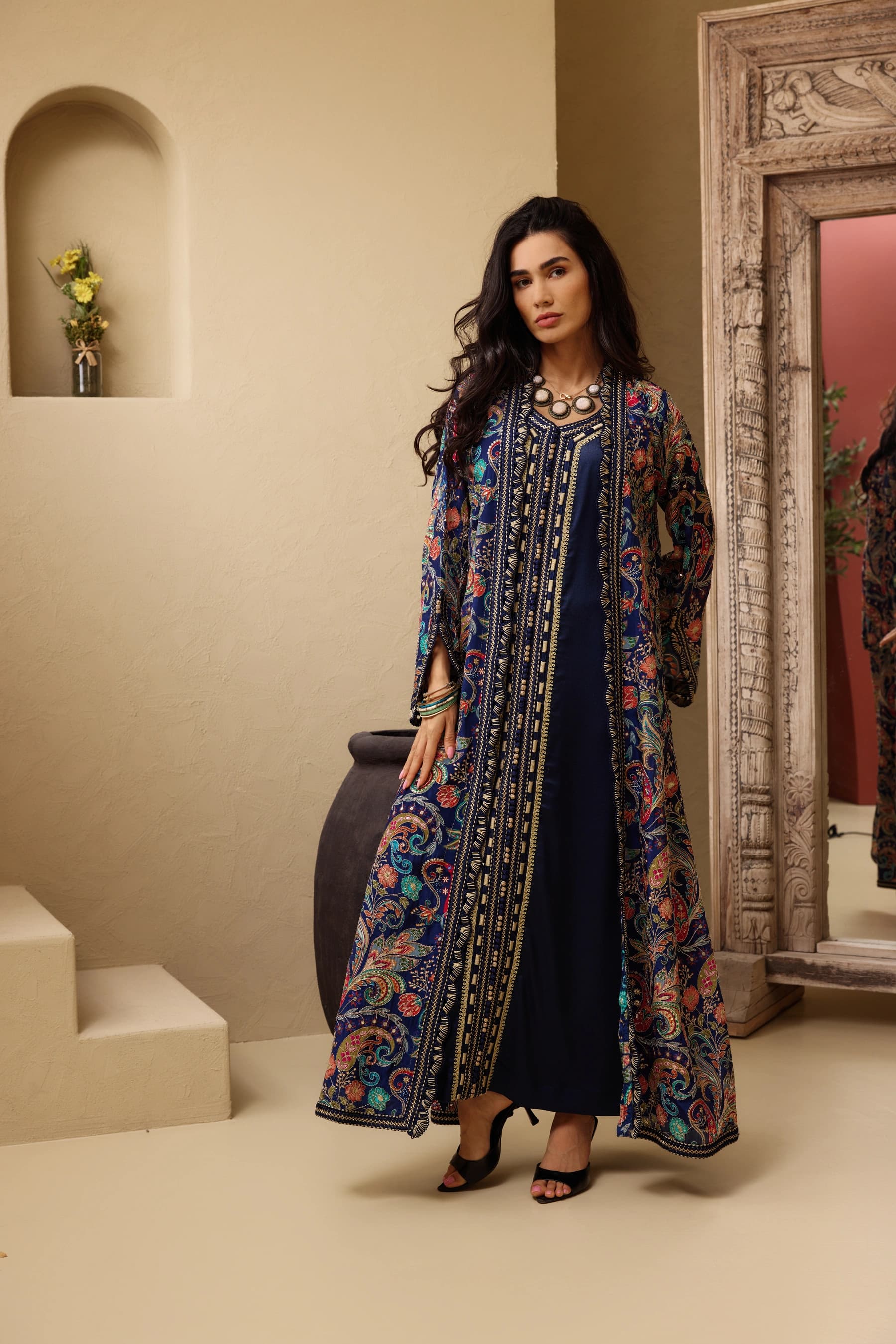
Eid Collection Photography: The 12-Week Production Timeline
Eid Al Fitr is expected on 9 or 10 March 2027, subject to moon sighting. The Eid campaign production timeline, week by week: samples, shoot, retouch, launch.
· 9 min read
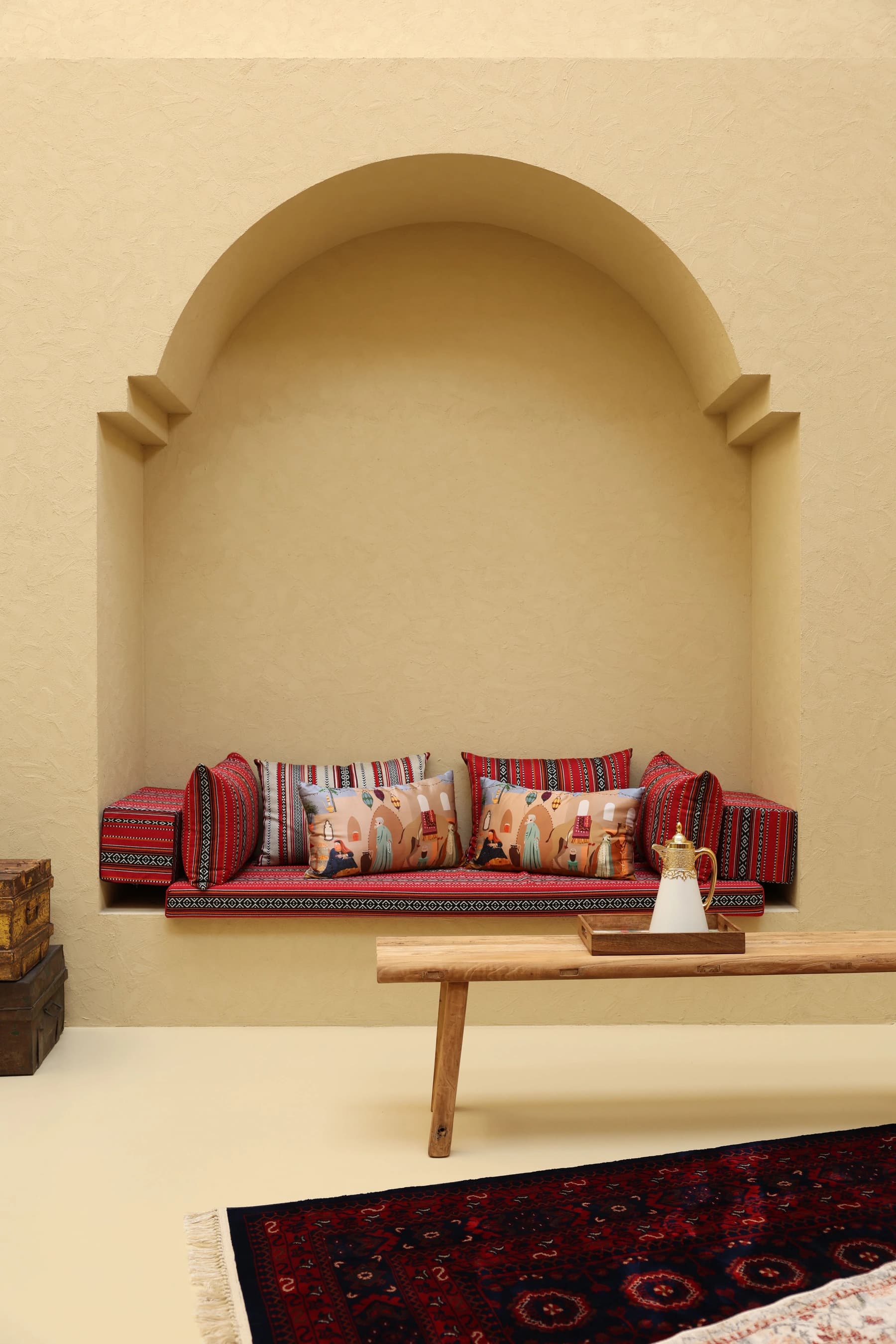
Iftar and Suhoor Photography for Restaurants and F&B Brands
Plan an iftar photoshoot for a restaurant or hotel: the frames that sell a booking, how to make late morning read as sunset, and why suhoor needs its own set.
· 7 min read
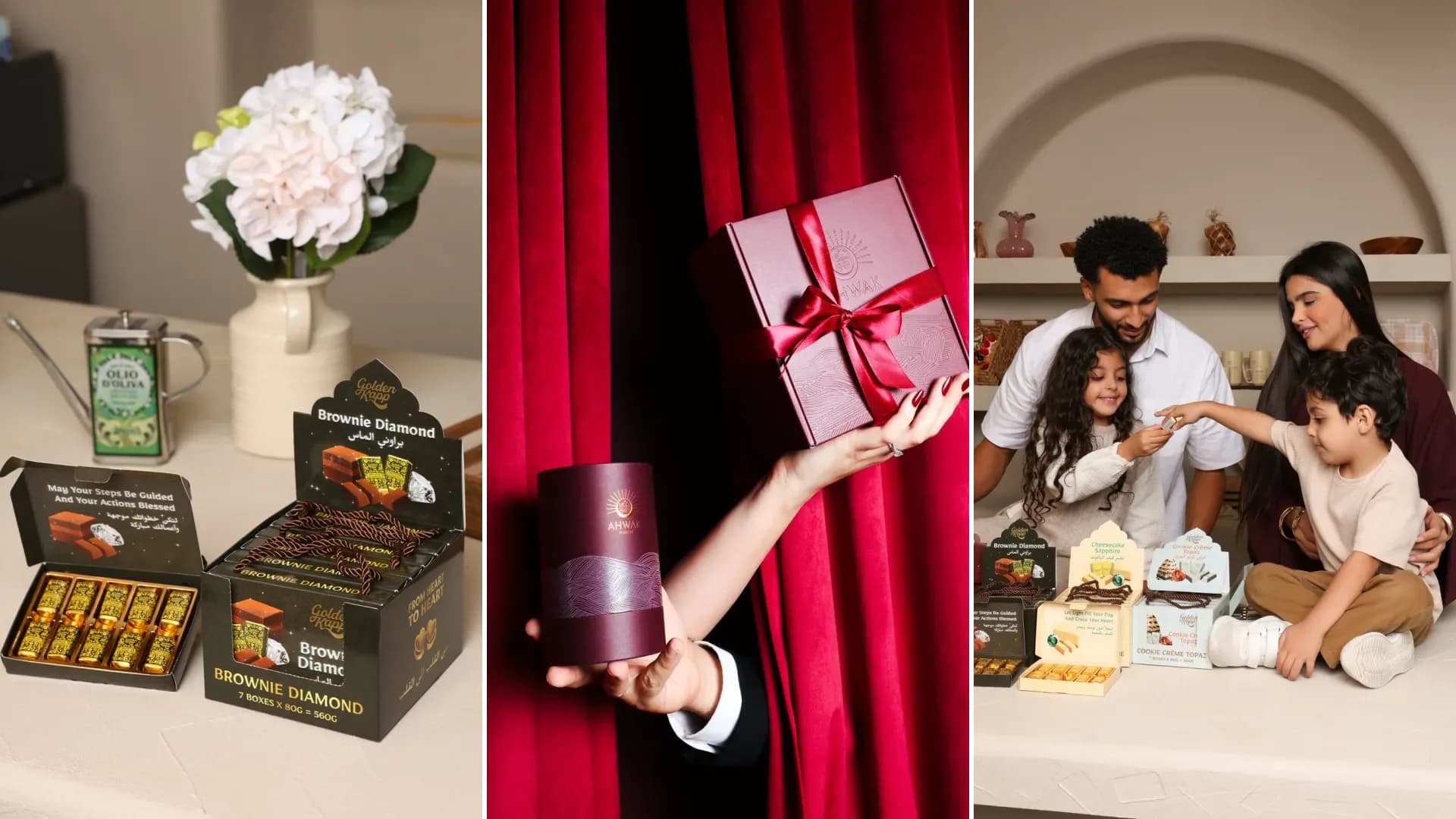
Ramadan Gifting and Hamper Photography: The Retail Shot List
Ramadan gift photography for hampers and gift sets: seven frames in shooting order, gold foil without colour shift, and what a Dubai studio session costs.
· 7 min read
Six themed rooms in Al Quoz, lighting included, from AED 320 + VAT per hour.