

Iftar and Suhoor Photography for Restaurants and F&B Brands
Kate · Founder and Creative Director, BlueSky Studio
7 min readPrices checked
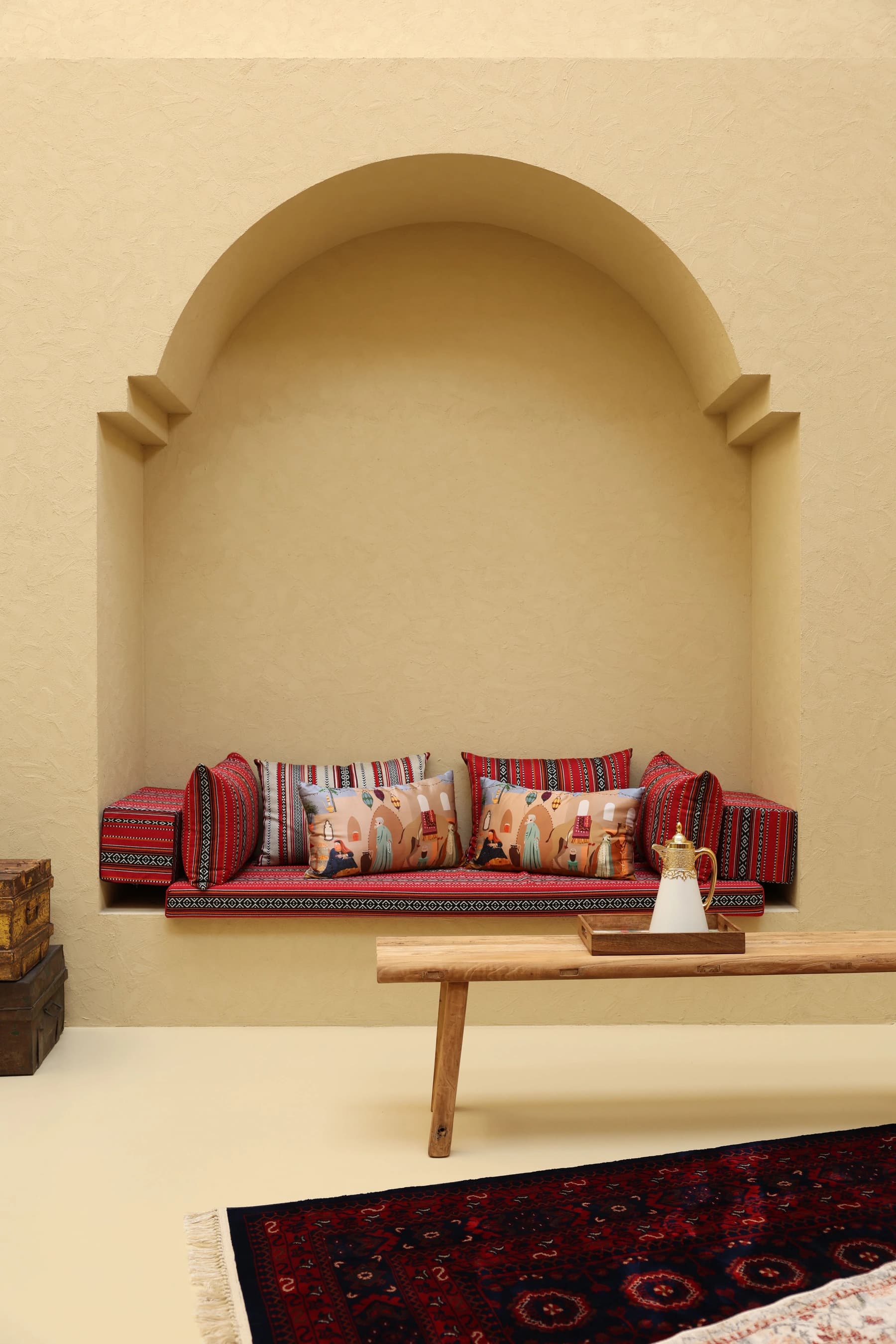
An iftar photoshoot happens in daylight, months before anyone sits down to the meal it sells. Hotels and restaurants put their iftar packages on sale before Ramadan starts, and the booking page needs pictures first. With Ramadan expected to begin on Monday 8 February 2027, subject to moon sighting, the shoot belongs in November or December.
BlueSky Studio in Al Quoz works to one rule for all its Ramadan photoshoot production in Dubai: shoot eight to twelve weeks before the month begins, which this season means 16 November to 14 December 2026. Retouching, paid media and email all sit downstream of the shoot.
Then come three production problems: which frames to shoot, how to fake the hour, and why suhoor needs its own set.
The frames that sell an iftar booking
Shoot them in this order. Each frame has a job, and a frame without one is the first to drop when the kitchen runs late.
- Dates and water, or laban, shot close on a dark surface. It reads at thumbnail size, so it opens the Reel and makes the story cover.
- The communal table from a low three-quarter angle, hands reaching in. People book iftar as a group, and this frame sells that better than any single plate: booking page hero, main paid social static.
- The signature dish, plated, for the menu insert, the press kit and the carousel.
- The shared platter being set down, which carries the middle of the Reel.
- The pour: Arabic coffee from a dallah, or jallab over ice. A Reel opener in its own right.
- Kunafa or qatayef close, a hard light catching the syrup. A paid social static and a story frame.
- The room or terrace wide, for the booking page gallery. If you sell by the head or by the table, guests should be able to count the chairs.
The first six can be built on a studio set. The seventh has to come from your own room, either as a separate job at the venue or from a recent interior photo.
Shoot the hero dishes and the table setting in the same session, with vertical video running alongside the stills. The platter and the pour are movements, and a still keeps only half of each. The Ramadan social media calendar for UAE brands shows which week each of these frames runs.
Making late morning read as sunset
A table at sunset has three things a late-morning table lacks: low warm light from one side, long shadows and dark corners. Build those and the clock stops mattering.
Start by killing the daylight. Block or flag every window so the only light on the table is light you placed. Daylight leaking in turns white linen blue, and no warm key hides it. Ask when you book how the room you want handles daylight.
Then set the key low, at table height or just above, behind or beside the table, so it rakes across the plates and throws long shadows the way a setting sun does. Run it at around 3,000K to 3,200K, from a continuous head or a gelled flash, with the camera's white balance nearer daylight so the warmth stays in. From behind, the same light picks out steam and turns a glass of jallab into a small lamp.
On the shadow side, add negative fill, a black board that stops light bouncing back in. Without it the shadows fill and the frame goes flat.
Put a lantern or a candle in shot and make it look as if it is doing the work, with a small warm head just out of frame on the same side so the shadows agree. If you want haze, clear it with the studio before bringing a machine.
Two things give the fake away: a big soft source overhead, which lights the table like a canteen, and clean daylight-balanced whites in the background. Check the napkins and the wall on the first test frame.
At BlueSky, the Heritage room leans towards evening before a light goes on. Its Arch Zone has grand arched alcoves, plasterwork and warm earthy tones, and the Lantern Corner is lit by ornate brass lanterns casting golden patterns, so the practicals are already there. A studio room needs no location fee and no permit for the venue, and every booking includes Profoto flash and Aputure continuous lighting.
Shooting suhoor separately
A suhoor offer sells to a different crowd at a different hour: later, quieter, smaller groups, lighter plates. Anyone who knows the difference spots an iftar frame recycled for a suhoor post.
Change the set to match. Cooler and darker light, a table for two or four, more empty space around the plates, and a curtain or a dark wall where the iftar set had its warm rake. Night still needs a source: one lamp in frame, or a cool edge light that suggests a window after dark. Swap the iftar pour for tea, karak or mint, its steam backlit by that cool edge.
Shoot it as its own block on the same day. Every booking includes all the zones of the room, so the iftar table can take Heritage's Arch Zone and the suhoor set the Carpet Area or the Traditional Niche. For a darker base, the Concrete room's Dark Set is a low-key zone for moody work, and two rooms can sit in the same booking. Prep the suhoor tableware and dishes in advance so the changeover is a quick reset of table and light.
Studio set or your own dining room
Your own venue keeps the branded interior, the view and the room guests will sit in. It also means closing a section, working around service and fighting mixed light: daylight through the glass, warm downlights over the tables, a coloured wash behind the bar.
The studio gives full control of the light and a call time that does not compete with lunch or dinner service. BlueSky is open Monday to Sunday, 09:00 to 21:00. The cost is logistics. Plan where the dishes are cooked and how they travel to Al Quoz, bring a spare portion of anything that melts, wilts or sets, and bring the plates, glasses and linen the restaurant actually uses, so the picture matches the table a guest sits down to.
| Option | Price | Scope |
|---|---|---|
| Menu Shoot | From AED 2,500 + VAT | 2 hours, up to 15 dishes, 20 retouched photos |
| Full Restaurant | From AED 4,500 + VAT | 4 hours, up to 30 dishes plus interiors, 40+ retouched |
| Content Package | From AED 7,500 + VAT | 6 hours, full menu, interiors, 60+ retouched, 4 Reels or short videos |
| Location Half Day | From AED 3,500 + VAT | 4 hours, one venue, 30 retouched, 2 walkthrough clips |
| Heritage room | From AED 350 + VAT per hour | Room only, your photographer, lighting included |
Styling scales with the tier: the Menu Shoot includes styling and plating assistance, the Full Restaurant professional food styling, and the Content Package food styling and props. The food and menu photography packages set out each tier in full, and location shoots at your own venue cover the room wide.
Send the menu, the covers you want in the communal frame and the date the package goes on sale to +971 50 503 9936 on WhatsApp.
Frequently asked questions
- When should a restaurant shoot its iftar menu photos?
- Shoot iftar menu photos eight to twelve weeks before Ramadan begins. With Ramadan expected to begin on Monday 8 February 2027, subject to moon sighting, that means 16 November to 14 December 2026, so the pictures exist before the packages go on sale. Lock the menu first, because a signature dish that changes afterwards has to be shot again. Pre-Ramadan studio dates fill earlier than any other period of the year.
- How do you make a daytime shoot look like an evening iftar?
- To make a daytime iftar shoot read as evening, block all daylight so the only light on the table is yours. Set a warm key around 3,000K to 3,200K, low and behind or beside the table, so it rakes across the plates and throws long shadows. Keep the camera's white balance nearer daylight so the warmth survives, add negative fill on the shadow side and put a lantern in frame. A big soft source overhead gives the trick away.
- What photos does an iftar campaign need?
- Seven frames cover an iftar campaign. Dates and water shot close make the Reel opener and story cover. The communal table from a low three-quarter angle, hands reaching in, is the booking page hero. Then the plated signature dish, the shared platter being set down, a pour, and a kunafa or qatayef close-up. Last, a wide of the room or terrace where guests can count the seats. Film the platter and the pour as vertical video too.
- Should you shoot iftar photos in the studio or at the restaurant?
- Split an iftar shoot between studio and restaurant by frame. A studio set gives full control of the light, needs no location fee or venue permit and keeps clear of service, which suits the table, the dishes and the pour. Only your dining room can show the real interior and how many guests it seats, at the price of mixed light and a closed section. With budget for one, choose by the frame the booking page needs most.
Written by
Kate
Founder and Creative Director, BlueSky Studio
Kate founded BlueSky Studio, registered the company and opened the Al Quoz Industrial Area 3 location, and designed the six permanent sets the studio shoots in. She sets the rates quoted in these guides and works on the floor with the teams who book them, so the timings, the equipment and the numbers here come from the rooms rather than from a content brief.
Keep reading
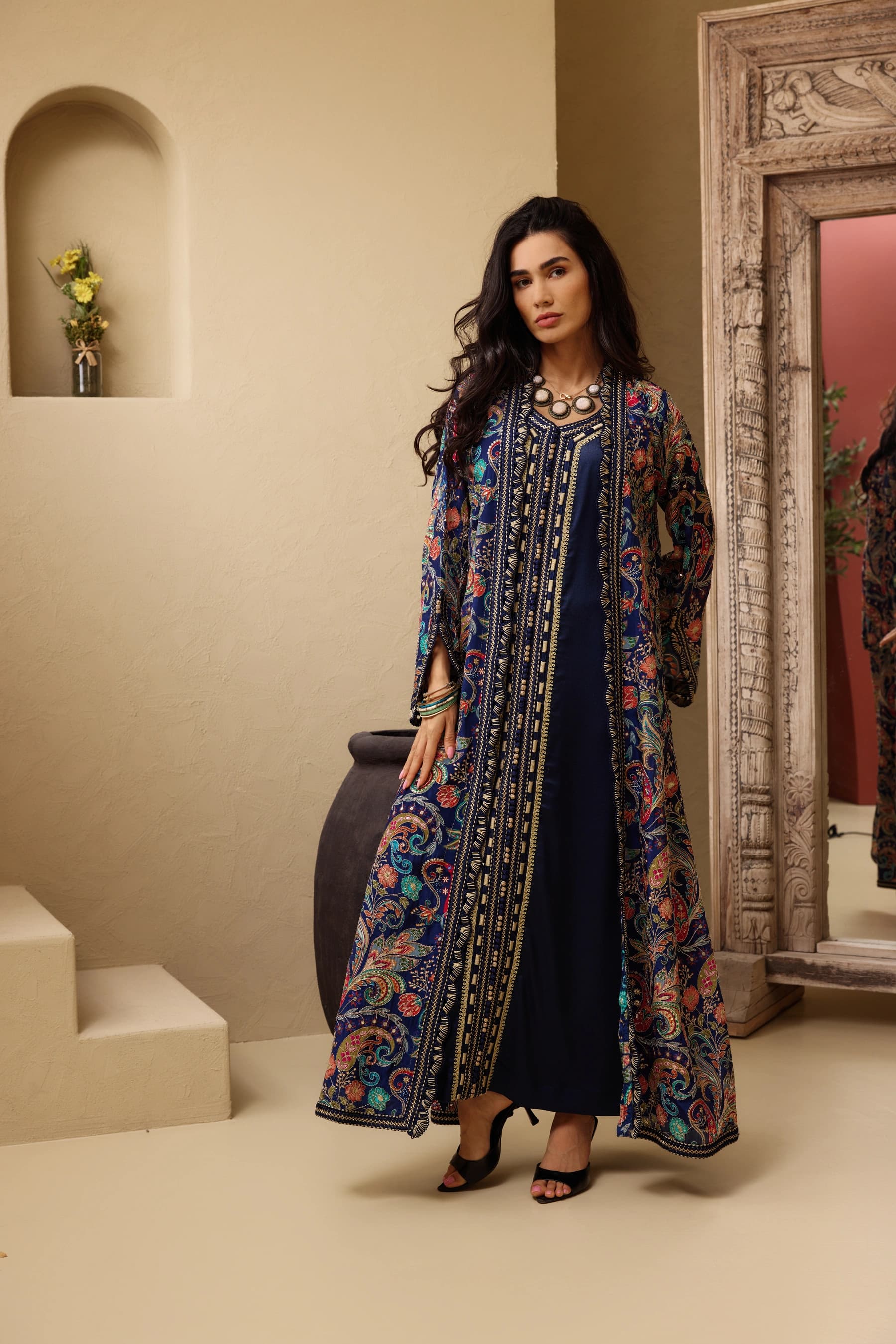
Eid Collection Photography: The 12-Week Production Timeline
Eid Al Fitr is expected on 9 or 10 March 2027, subject to moon sighting. The Eid campaign production timeline, week by week: samples, shoot, retouch, launch.
· 9 min read
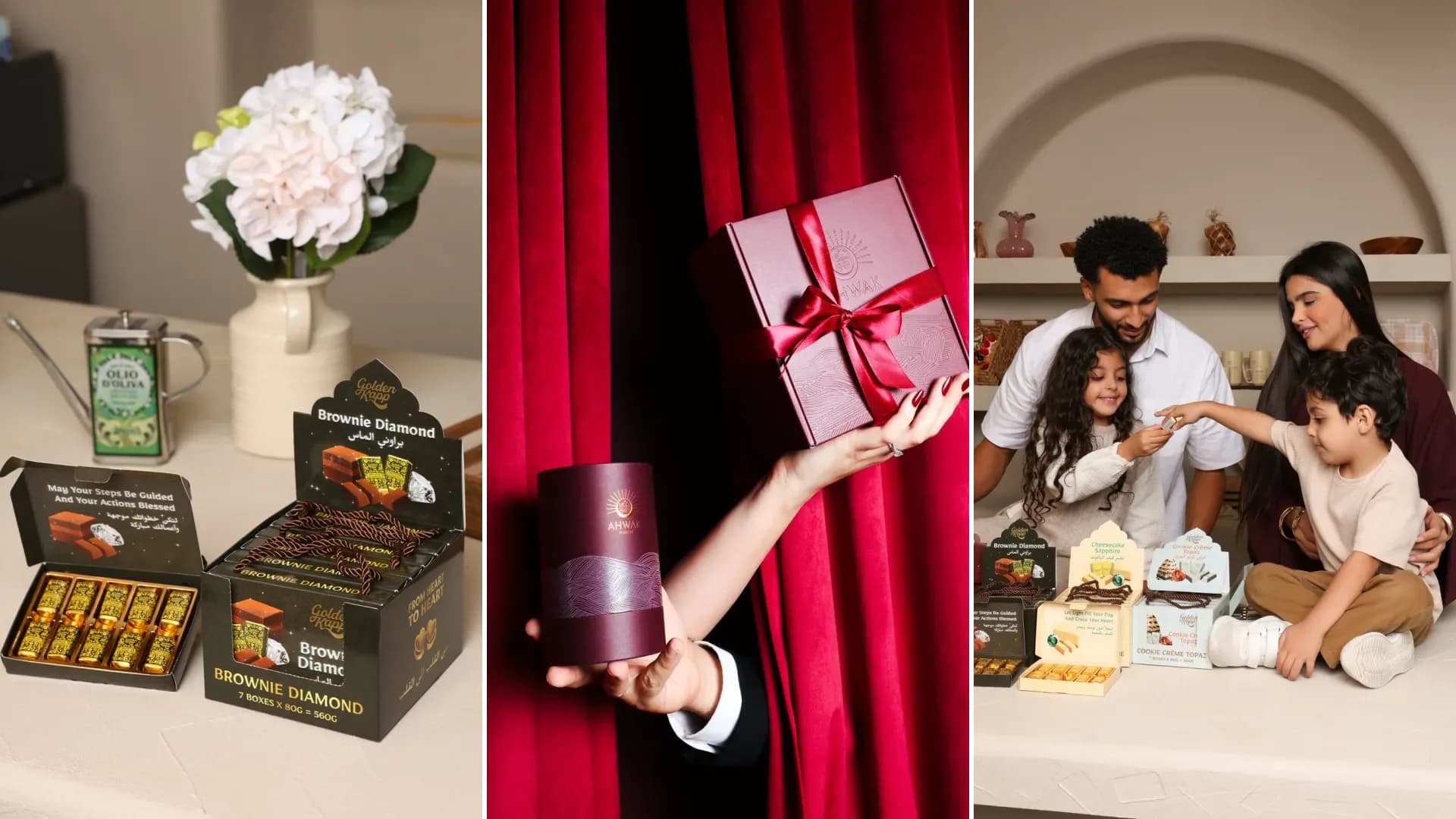
Ramadan Gifting and Hamper Photography: The Retail Shot List
Ramadan gift photography for hampers and gift sets: seven frames in shooting order, gold foil without colour shift, and what a Dubai studio session costs.
· 7 min read
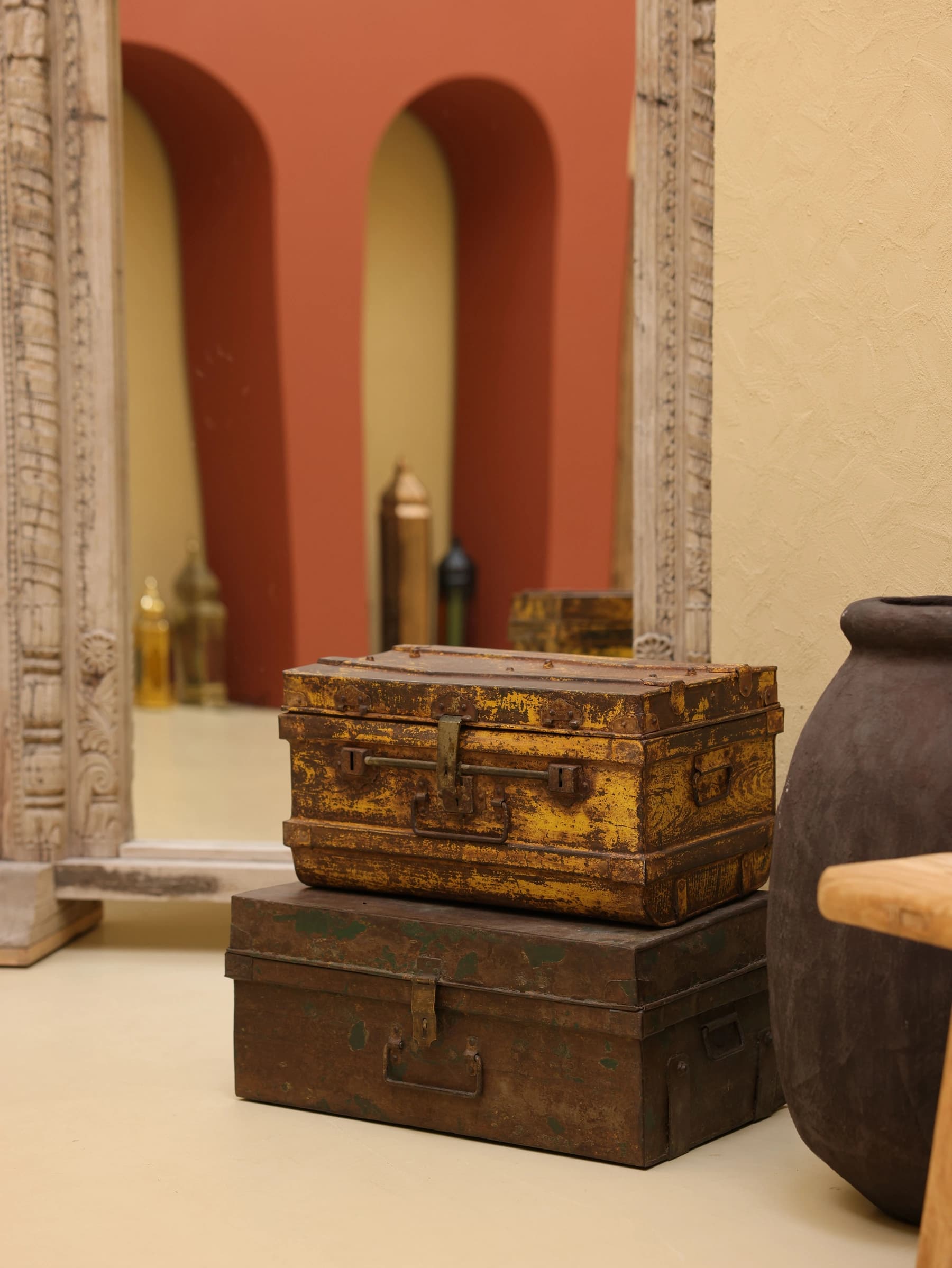
Ramadan Set Design: Lanterns and Arches Without the Clichés
Ramadan photoshoot ideas without the crescent or the fairy lights: four sets built from an arch, one lantern, the table after iftar and the close crop.
· 9 min read
Six themed rooms in Al Quoz, lighting included, from AED 320 + VAT per hour.