

Beyond Black: Shooting Coloured and Pastel Abaya Collections
Kate · Founder and Creative Director, BlueSky Studio
7 min readPrices checked
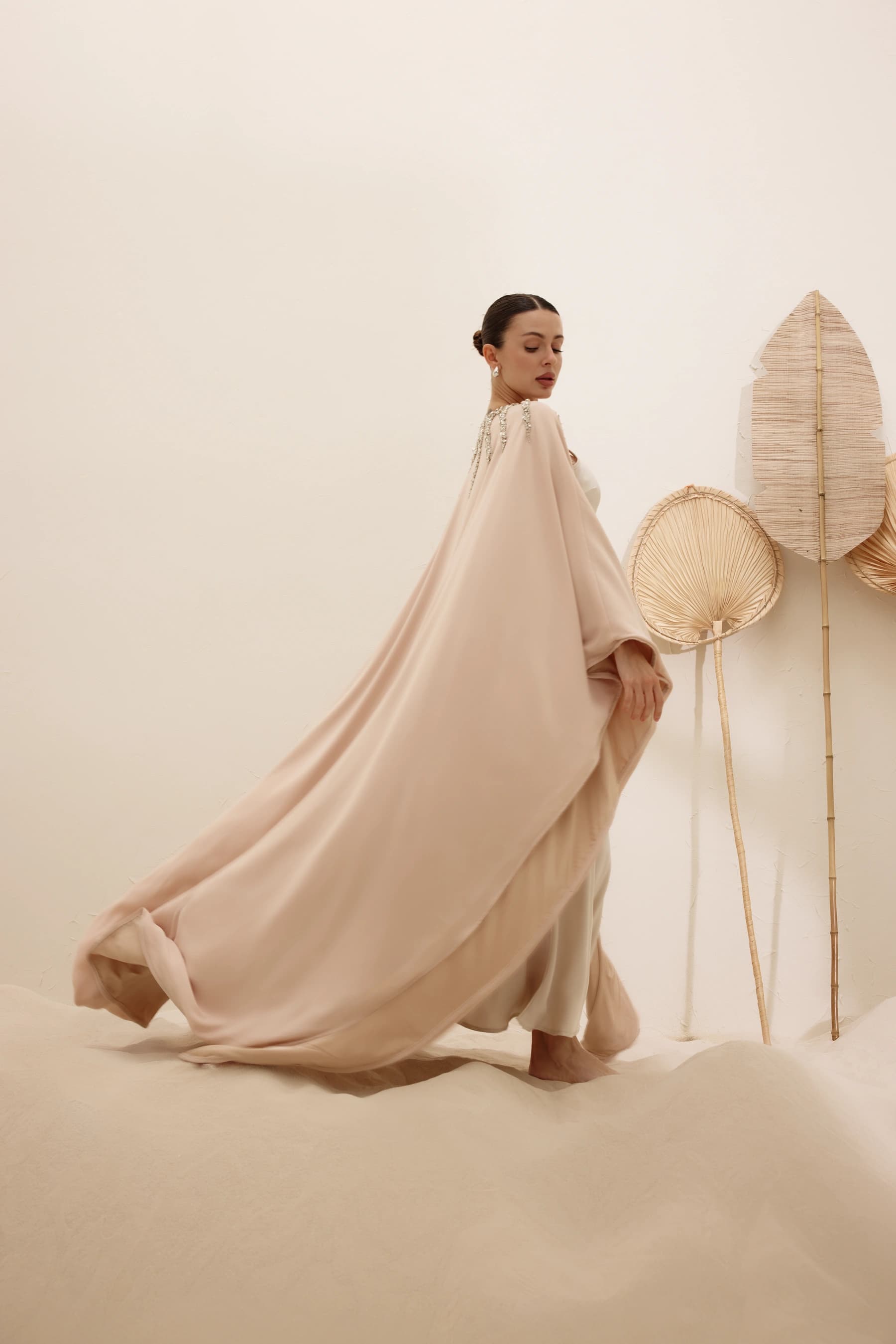
Coloured abaya photography has one test: whether the shade on screen matches the garment the customer unwraps. Blush, sage, lilac and camel shift with the light and the nearest wall. Keeping them true takes a grey card and colour checker at the start of every colourway, flash for the critical frames, and a wall that leaves the dye alone.
A black abaya hides its detail, and most of a black shoot goes on getting the texture back. A pastel abaya hides nothing, so the effort moves to the hue. Many brands launch their colour runs for Eid, so these shoots tend to fall in the pre-Ramadan weeks, when studio dates fill earlier than at any other time of year. For black fabric, marketplace specs and the rest of the category, start with abaya photography in Dubai.
Why a colour run is the harder shoot
Keeping detail in a black abaya is an exposure job: the weave and the seams have to be held out of the shadows. A colour run asks something else of the same set-up. The hue has to reach the customer's screen intact.
Fabric picks up the colour of whatever light bounces onto it. A warm wall beside the model adds warmth to a pale garment, and a green plant in the corner can tint white. Black absorbs most of that spill. A pastel shows all of it.
Muted shades move furthest. A saturated red can take a small shift and still read as the same red, while a dusty pink that warms slightly turns peach and a sage that cools turns grey.
Two pieces in one shade can also split apart. A matte crepe and a sheer chiffon layer dyed to match read differently under the same light, because the chiffon lets the background through. Two dyes that match in daylight can drift apart under a warmer source. Open abayas add a second colour to every frame, the dress underneath, and a strong one changes how the eye reads the shade beside it. Style it in a neutral close to the abaya's own tone.
Then the customer compares: the photo against the garment they unwrap, and often against another brand's photo of the same shade. A black abaya rarely faces that second test.
Grey card and colour checker on the first frame of every colourway
Make it a rule. The first frame of every colourway shows a grey card and a colour checker, held where the garment will stand, under exactly the light that colourway will be shot in. In post, the card frame sets the white balance for the batch, and the checker gives the retoucher fixed patches to match. How many frames each colourway needs depends on the listing; the card frame comes before all of them.
One card at the top of the day is not enough. Light drifts. A modifier moves, a flash head is swapped, the model goes to another zone, and each change is a new light that needs its own card frame. Bring a grey card and a colour checker, or confirm the photographer has them before the day.
For colour you can repeat, light the critical frames with flash. Profoto flash is included with every booking, and it gives the same light at 10:00 and at 15:00. Daylight does not. The south-facing Natural Light Corner in the Beige room holds soft daylight through most of the afternoon and falls away around 4pm, which suits mood frames and makes matching harder. Shoot those early in the session, each with its own card frame.
Reels shot in the same session under Aputure continuous light need a card frame too. Continuous light and flash rarely match exactly, and a clip that runs warmer than the stills beside it makes the product page look like two different garments.
Sand or Beige: the wall changes the dye
Of the six rooms at BlueSky Studio in Al Quoz, Sand and Beige are the two to compare for a colour run. Both rent from AED 320 + VAT per hour, and the hourly rates for the Beige and Sand rooms put eight hours in either from AED 2,560 + VAT. A booking covers every zone in the room.
Sand is the warm one. The Desert Wall has a textured sandy surface, the Earth Tones Corner a muted earthy palette with soft diffused light, and the Warm Light Zone a golden-hour style lighting set-up. That warmth flatters camel, sand, olive and rust. It fights cool pastels, pushing warmth into lilac, mint and powder blue. For warm shades, the Minimalist Set, a clean and pared-back zone meant for product and e-commerce work, takes the listing frames in the same session.
For a pastel abaya campaign, Beige is the safer of the two rooms, because its ambient light is daylight. The Main Zone sits under large windows and the Natural Light Corner faces south, while the Lounge Area gives seated frames and the textured Accent Wall takes portrait and fashion work. The walls are still warm beige, so stand blush, lilac, mint and powder blue well off them and light the colour frames with flash. A beige abaya photoshoot in the same room has the opposite problem: garment and wall sit close in tone, so add an edge light to keep the outline.
Heritage, from AED 350 + VAT per hour and from AED 2,800 + VAT for eight hours, is warm by design. The Arch Zone has warm earthy tones, and the Lantern Corner is lit by brass lanterns casting golden patterns. It is the studio's default room for Ramadan and Eid campaigns, and for a warm-toned Eid shoot that atmosphere is worth the colour risk. Two rooms can sit in the same booking, so shoot the campaign in Heritage and take the listing frames for cool shades to Beige.
Retouch, screens and the cost of a wrong shade
Retouch each colourway to its card frame, then check one reference garment against its photo on a calibrated screen, side by side under neutral light. When the reference matches, the rest of the batch corrected from the same card frame will be close.
Most shoppers will see the image on a phone. Export in sRGB and look at the finished file on two or three phones with any warm night-time display mode switched off. A calibrated monitor shows the file at its best; a phone shows it the way it will be judged.
If the studio is shooting and retouching through one of the abaya and fashion production packages, ask when you book for each colourway to be corrected to its card frame and checked against the reference garment. The tiers run from Start (from AED 1,500 + VAT) through All-In (from AED 2,500 + VAT) and Kate's Package (from AED 3,500 + VAT) to Golden (from AED 5,900 + VAT).
A wrong shade costs money. A customer who orders sage and receives something closer to grey sends it back, the return costs shipping both ways and a repack, and the complaint about the colour can end up in a review. Keep a swatch frame for every colourway as well: the swatch beside the finished garment, under the same light, filed with the shoot.
If the colour run is part of an Eid launch, the shoot belongs eight to twelve weeks before Ramadan begins, and the twelve-week Eid collection production timeline sets the rest of the dates. Send the colourway list on WhatsApp, +971 50 503 9936, with a daylight phone photo of each swatch and the room you have in mind.
Frequently asked questions
- How do you photograph a pastel abaya so the colour stays accurate?
- Photograph a grey card and a colour checker in the first frame of every colourway, under exactly the light that colourway will be shot in, and set the white balance for the batch from that frame. Light the colour-critical frames with flash, which repeats itself, and keep pale garments away from warm walls and coloured bounce. Before the whole batch is retouched, check one reference garment against its photo on a calibrated screen.
- Is a coloured abaya harder to photograph than a black one?
- A coloured abaya is usually the harder of the two to get right. Black is an exposure job: the weave and the seams have to be held out of the shadows. A pastel or muted shade is a colour job: the hue has to survive the light, the walls and the screen, and the customer will compare it with the garment they unwrap. A shade that looks wrong on screen gives the customer a reason to send the abaya back.
- Why does an abaya look a different colour in photos than in person?
- Fabric takes on the colour of the light falling on it and of anything nearby that reflects onto it, such as a warm wall, so a pale shade can drift warmer or cooler in camera. Muted pastels show the shift most. Screens add a second change: an uncalibrated monitor, a phone in a warm night-time mode or a file exported outside sRGB can each move the hue again. A card frame and a calibrated screen remove most of it.
- Should you photograph a fabric swatch with each colourway?
- Photographing a fabric swatch with each colourway is worth the extra frame. Lay the swatch beside the finished garment and shoot them together under the colourway's light, straight after the grey card frame. The picture becomes the internal record of what the dye looked like on the day, and it settles later questions about whether a complaint comes from a new dye lot or from the photograph. Keep it out of the published images.
Written by
Kate
Founder and Creative Director, BlueSky Studio
Kate founded BlueSky Studio, registered the company and opened the Al Quoz Industrial Area 3 location, and designed the six permanent sets the studio shoots in. She sets the rates quoted in these guides and works on the floor with the teams who book them, so the timings, the equipment and the numbers here come from the rooms rather than from a content brief.
Keep reading
How Many Photos Does One Abaya Listing Actually Need?
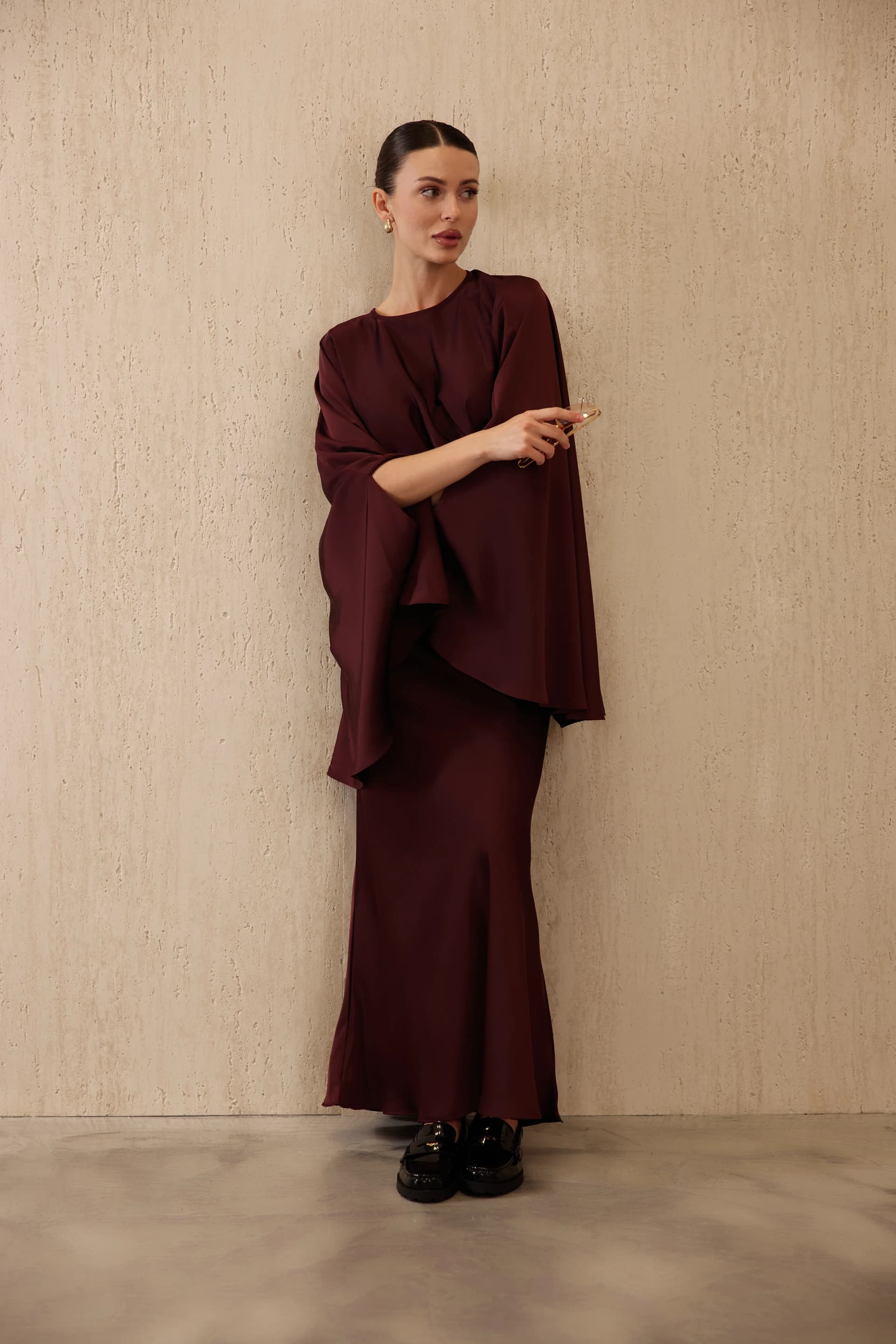
The nine frames an abaya shot list needs, realistic minutes per SKU, and worked examples at 15, 40 and 100 pieces so you can size the shoot before you book it.
· 14 min read
A Modest Fashion Glossary for Brands Briefing a Shoot
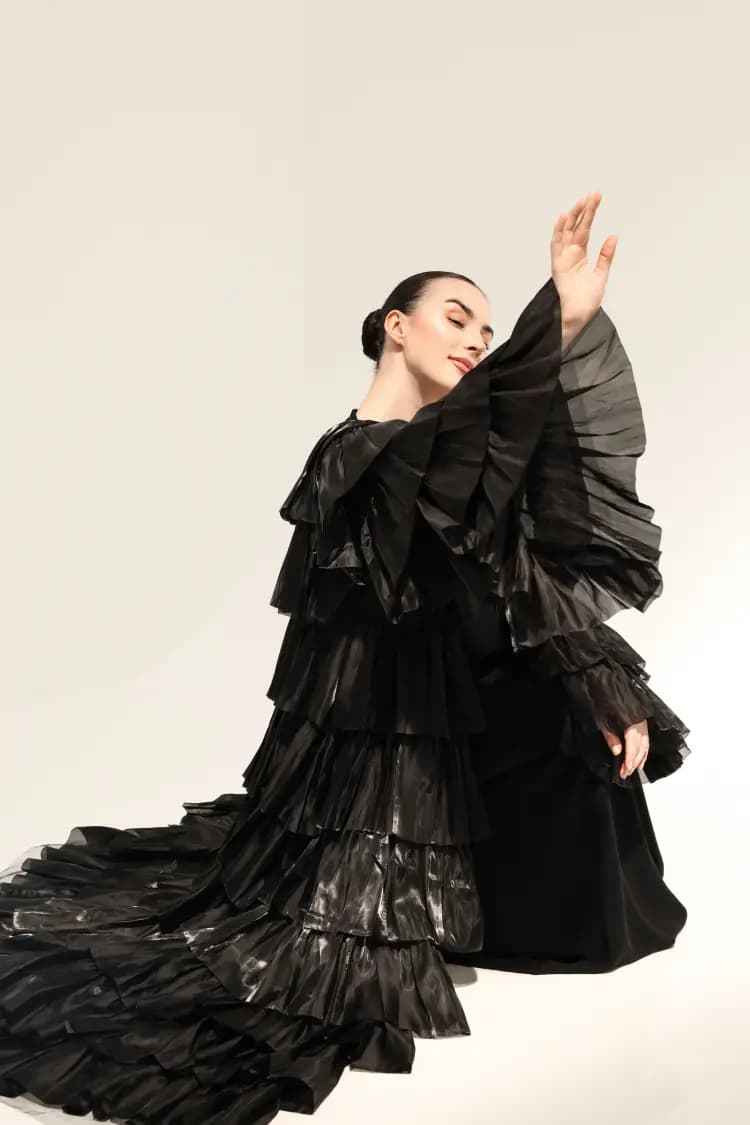
Abaya, jalabiya, kaftan, kandora, shayla, hijab, niqab and bisht defined for brands briefing a photoshoot, plus fabrics, cuts and why the right word matters.
· 13 min read
Daylight Studio or Strobes: When Window Light Is Genuinely Better
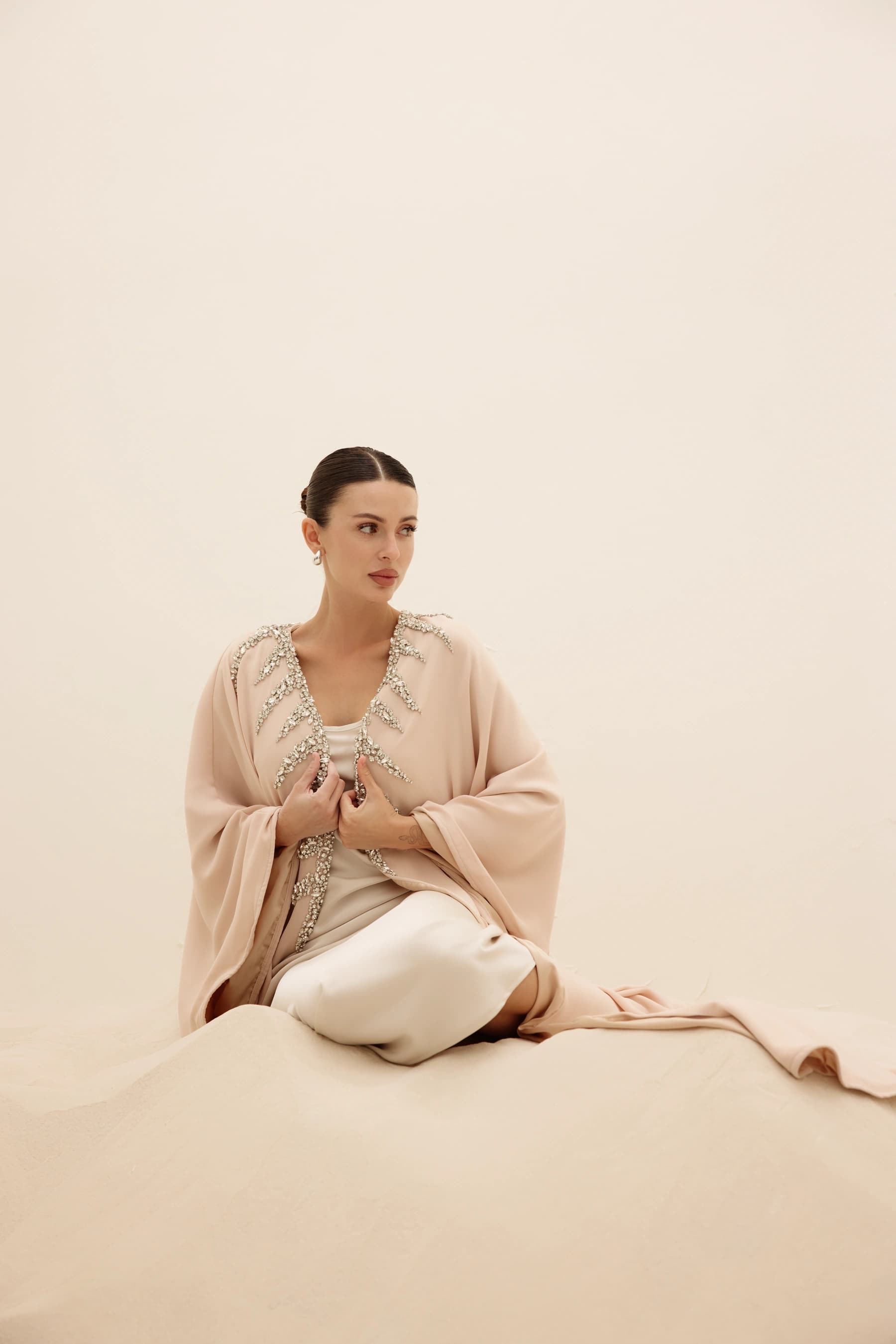
When a natural light photo studio in Dubai beats strobes, which jobs still need flash, and how to plan a November shoot around sunset at 5:30 to 5:40pm.
· 6 min read
Six themed rooms in Al Quoz, lighting included, from AED 320 + VAT per hour.