

Arabic, English or Both: What Works on Instagram in the UAE
Kate · Founder and Creative Director, BlueSky Studio
6 min readPrices checked
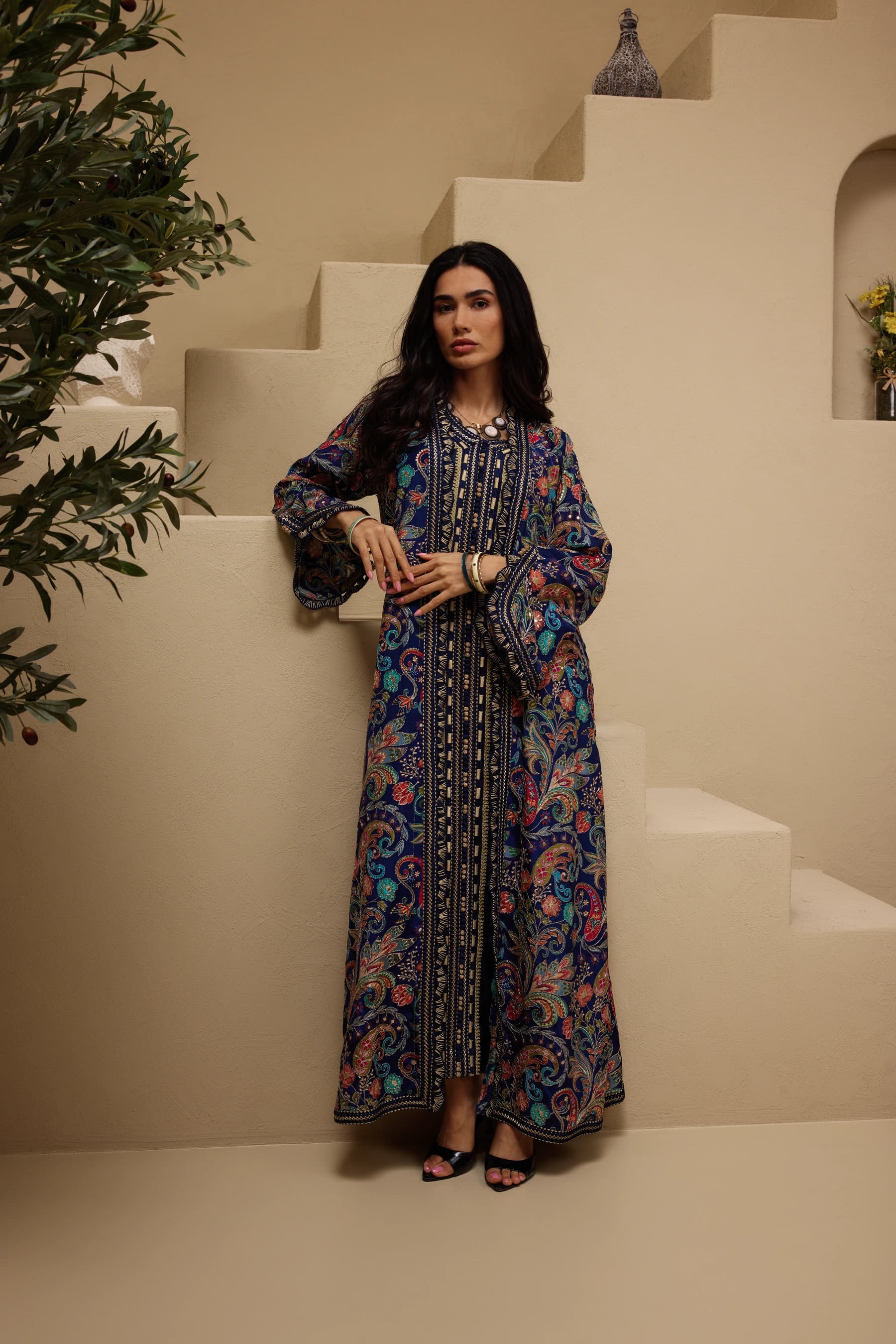
Should a brand's Instagram content in the UAE be in Arabic, English or both? The answer depends less on the brand than on who buys from it. Below is how we decide, post by post: who you write for, three ways to run two languages on one account, and why Arabic has to be written rather than translated.
We run social media for brands in Dubai in both languages, and the plan for each month sets the language of every post. There is no single rule, but there is a way to decide.
Start from who buys
Arabic is the UAE's official language, and English is widely used in business and daily life. A Dubai brand's audience is rarely one or the other: Emiratis and Arab residents, expatriates who read English first, and, for many brands, buyers across the Gulf.
Instagram tells you more than a guess. Insights shows the top cities and countries of your followers; if Riyadh, Jeddah or Kuwait City sit near the top, Arabic deserves more of the month. If most of your followers are in Dubai and buy through an English-language website, English can lead.
For brands selling into Saudi Arabia, Kuwait, Qatar, Oman and Bahrain, what we see on the production side points the same way: they usually need Arabic-first creative rather than an Arabic translation laid over an English layout.
Three ways to run two languages
- Bilingual captions. One post, both languages, one set of likes and comments. It suits an audience that is mixed but wants the same thing: the same product, the same offer. Put the language most of your buyers read first, because the opening lines are what shows before "more".
- Separate posts. One post in Arabic and another in English, each written for its reader. It doubles the captions to write, but each language reads natively, and it suits audiences that want different things: a Gulf-wide launch in Arabic, a Dubai event in English.
- One language per format. Arabic text on screen in a Reel with an English caption, or the reverse, and stories in both. It suits accounts that post often and want every post to stay short.
A month can mix all three: the launch post bilingual, the styling Reels in Arabic, the event in English. What matters is that the choice is made for each post, on purpose, rather than by whoever writes the caption that day.
| Approach | Suits | Watch for |
|---|---|---|
| Bilingual captions | A mixed audience that wants the same offer | Long captions; the first lines decide who keeps reading |
| Separate posts | Audiences that want different things | Twice the writing; engagement splits between two posts |
| One language per format | Accounts that post often | Each format has to be planned in its language |
Write Arabic, do not translate it
Instagram already shows a See translation link under many captions and bios written in a language other than the reader's, so a machine translation adds little a reader cannot get with one tap. What it cannot do is sound like the brand.
Arabic copy that sells is written for its reader: the dialect, the register and the word a customer would actually search for. Khaleeji Arabic reads as local to Gulf buyers, Modern Standard Arabic as formal and neutral, and Levantine as natural to audiences from the Levant. Pick one register for the account, or one per audience if you post separately for each, and keep to it, so the account does not change voice between a Reel and its caption.
On the video side, the studio's UGC roster includes native Khaleeji and Levantine creators, and an Arabic version of a creator video, with a native voiceover and subtitles, is from AED 300 per video on the UGC rate card. Subtitles alone, in any language, are from AED 80 per video.
Arabic in Reels and stories
- Text on screen runs right to left. Arabic text in a Reel starts from the right, and the like, comment and share buttons run down the side of the screen, so keep the text in the middle of the frame, clear of both edges.
- One language on screen at a time. Two languages stacked on a vertical frame crowd it. If both are needed, put one on screen and the other in the caption.
- Subtitles in the other language. A Reel spoken in Arabic can carry English subtitles, or the reverse, so a viewer with the sound off gets it either way.
- Hashtags in both. Arabic and English hashtags are separate searches, so a bilingual post can carry a few of each.
Comments and messages in the customer's language
Reply in the language the customer wrote in. A question asked in Arabic and answered in English reads as a template, and so does the reverse. If the person answering comments and DMs works in one language only, the account is bilingual on the grid and monolingual everywhere a sale actually happens.
Measure by language
If you post in both languages, compare like with like: Arabic posts with Arabic posts, English with English, the same format against the same format. The content log in our free social media report template has a column for the language of each post, so a month of bilingual posting shows which language each format works in.
What to put in the brief
When we plan a month, every post has a language next to it, the same way it has a date and a format. If you brief an agency, ask who writes the Arabic: someone who writes for social media in Arabic, or a translation of the English caption. It is one of the 12 questions to ask before you sign.
Our social media management works in English and Arabic, and the Instagram management page shows what a month covers. If you would like a second opinion on your account first, send us your handle for a free audit.
For a modest fashion brand, the Eid season is where the language choice matters most; our Eid content checklist has the dates and the posting plan.
Frequently asked questions
- Should a UAE brand post on Instagram in Arabic or English?
- It depends on who buys. Check the top cities and countries of your followers in Insights: buyers across the Gulf usually call for Arabic-first content, a Dubai audience buying on an English-language site can run English first, and many brands need both.
- Are bilingual captions a good idea?
- Yes, when one audience reads both and the post is the same for everyone. Put the language most of your buyers read first, since the opening lines are what shows before "more".
- Can we use machine translation for Arabic captions?
- It will be understood, and Instagram already offers readers a See translation link, but it will not sound like the brand. Arabic that sells is written for its reader, in the right dialect and register.
- Which Arabic should we use: Gulf dialect or Modern Standard Arabic?
- Khaleeji reads as local to Gulf buyers, and Modern Standard Arabic as formal and neutral. Pick one for the account and keep to it.
- Should we run separate Arabic and English accounts?
- Only when the markets differ enough to need different products, offers or prices. Otherwise one account with a plan that sets the language of each post keeps the followers and the reach in one place.
- Do you write Arabic content?
- Yes. The team works in English and Arabic, and the plan sets the language of each post.
Written by
Kate
Founder and Creative Director, BlueSky Studio
Kate founded BlueSky Studio, registered the company and opened the Al Quoz Industrial Area 3 location, and designed the six permanent sets the studio shoots in. She sets the rates quoted in these guides and works on the floor with the teams who book them, so the timings, the equipment and the numbers here come from the rooms rather than from a content brief.
Keep reading

Content Pillars for Skincare Brands Launching in the UAE
Skincare brand content ideas for a UAE launch, sorted into six content pillars: the formats for each, the launch order and the rules for ads.
· 6 min read
Eid Content Checklist for Modest Fashion Brands
Eid campaign ideas for modest fashion brands in the UAE as one checklist: what to shoot before Ramadan, what to post in each phase, and the 2027 dates.
· 6 min read
How to Brief a Social Media Agency (Free Template)
A free social media brief template for briefing an agency in Dubai: what goes in each section, what to leave out, and how to compare the replies.
· 6 min read
Six themed rooms in Al Quoz, lighting included, from AED 320 + VAT per hour.