
What to Wear for a Corporate Headshot (and What to Tell Your Team)
Kate · Founder and Creative Director, BlueSky Studio
9 min read
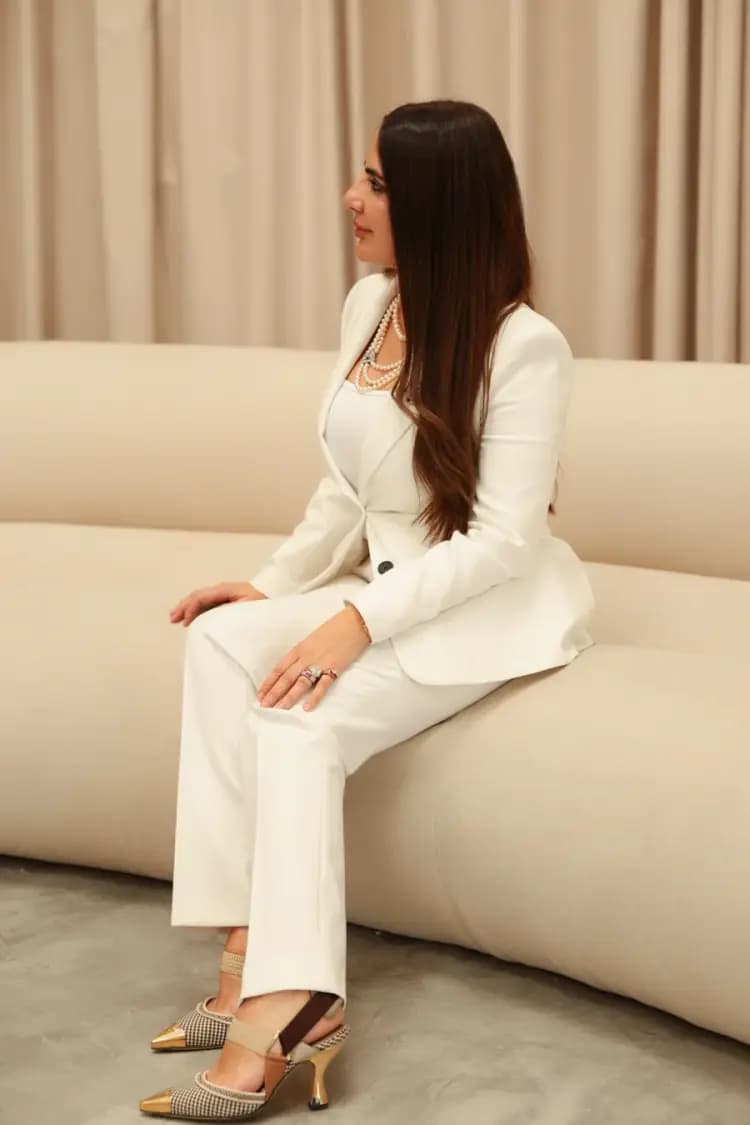
Thirty people are booked for headshots on the same morning. The calendar invite says, “Please wear something smart.” That sentence sounds harmless until the team arrives. One person is in a fine striped shirt. Another is wearing bright red. Someone else has a white blouse against a pale background, three people forgot to remove their staff lanyards, and one jacket has spent the morning folded over the back seat of a car.
The photographer can control the light, crop and background. Clothing is the part everyone chooses at home. So if you are organising a company shoot and wondering corporate headshot what to wear, decide the wardrobe rules before shoot day and send the same guidance to everyone.
The short version you can send to the team
You can copy this directly into the calendar invite or email: Wear a solid colour. Avoid fine stripes, small checks and busy prints. Navy, charcoal, forest green, burgundy, warm grey and deep teal photograph well. Avoid very bright colours and, where possible, pure white. Matte fabrics are easier to photograph than shiny synthetics.
Bring a jacket or blazer even if you are not sure you will wear it. Bring one backup top on a hanger. Press your clothes the night before. Avoid large logos unless they are part of the company brief. Arrive with hair ready. A short headshot slot is not the time for a full restyle.
Check lint, collars, glasses and jewellery before sitting down. That is enough for most people. The rest of this guide explains why these choices matter and what HR, marketing or office managers should organise when a whole team is being photographed on the same day.
BlueSky Studio in Al Quoz is open daily from 09:00 to 21:00, and corporate headshot packages for teams are available for company shoots.
Start with colour
For a team page, consistency matters more than making every person dress identically. You do not need thirty people in the same navy blazer. You do want their portraits to feel as though they belong to the same company. Mid and deeper tones are usually the safest place to start. Navy, charcoal, forest green, burgundy, deep teal and warmer greys give enough colour without taking attention away from the face.
Very saturated shades are harder. A strong red, bright green or electric blue can throw some of its colour back onto the skin, especially around the jaw and neck. One portrait might still look good on its own, but place it beside twenty colleagues in calmer colours and the difference becomes obvious.
Pure white can also need more attention under studio lighting because the fabric has less room before highlights lose detail. That does not mean white shirts are banned. For a company where white shirts are part of the normal dress code, wear them. Just make the decision deliberately and keep the background and lighting in mind.
Fine stripes are rarely worth it
Small checks, narrow stripes and tight herringbone patterns can create moiré. That is the strange ripple or colour shimmer you sometimes see on a shirt in a photograph or video even though the fabric looks perfectly normal in person. The camera sensor and the repeating pattern interfere with each other.
Could it be fixed later? Sometimes. Would I rather not create the problem on thirty separate portraits in the first place? Absolutely. Solid fabrics are easier and keep the finished team page cleaner. If somebody really wants to wear a pattern, make it a larger one rather than a very fine repeating print.
Matte usually beats shiny
Corporate headshots are normally lit quite cleanly, which makes shiny fabric more obvious. Some synthetic shirts and blouses catch a bright highlight from the softbox across the shoulder or chest. The hotspot then becomes one of the brightest things in the image. Cotton, wool, matte crepe and similar fabrics are much less demanding.
This matters for abayas too. Matte crepe usually photographs very cleanly around the shoulder, while satin or high-shine fabric can pick up a much stronger reflection. The clothes do not need to be expensive. They need to behave well under light.
Pick one background for the whole team
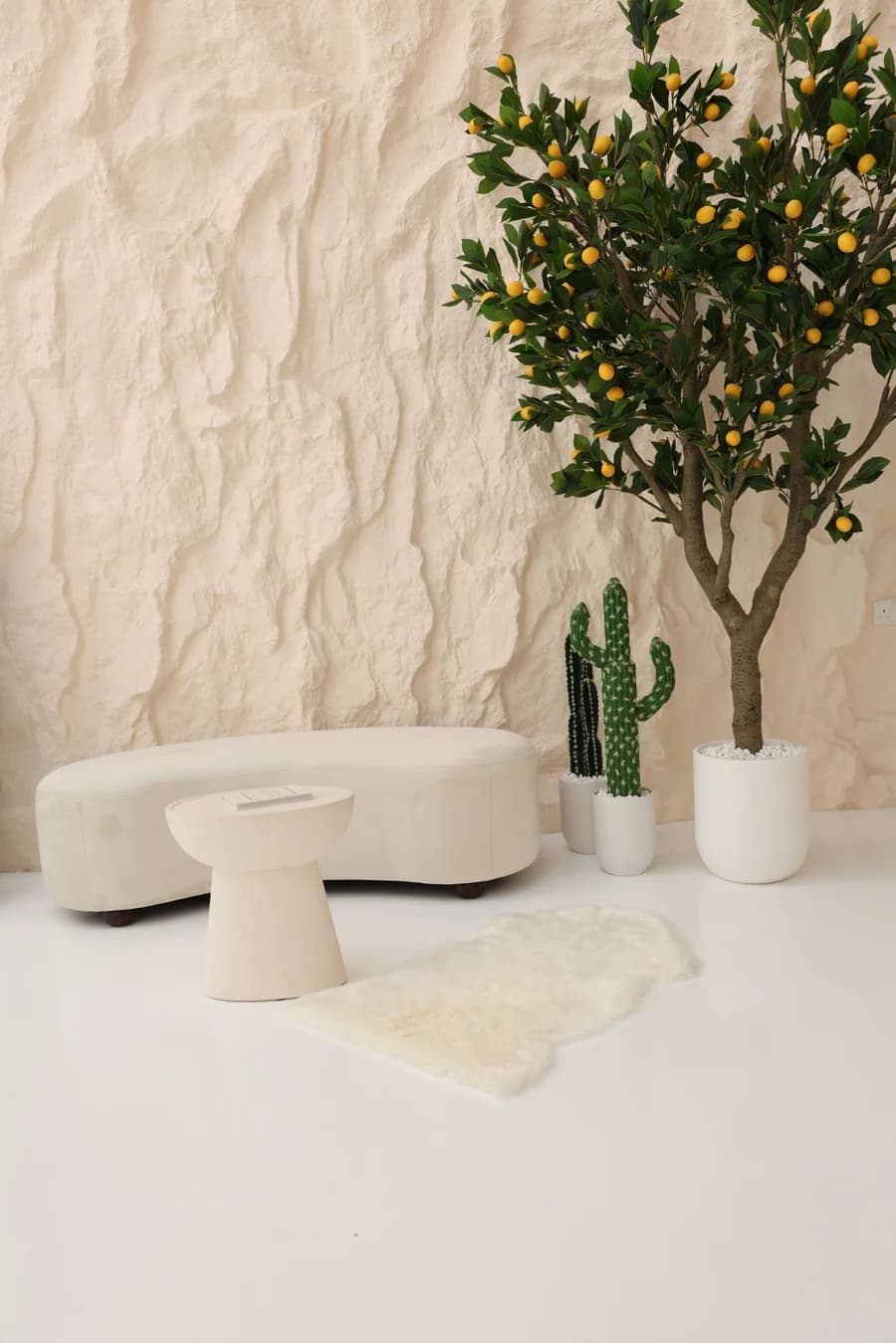
Once the wardrobe guidance is sent, choose the background and keep it consistent. At BlueSky, the Beige room's Natural Light Corner gives a softer and more approachable result. Neutral tones and daylight work particularly well for companies that want something modern but not overly formal.
The Concrete room's Raw Wall gives a darker, more editorial result. That can work well for legal, finance, architecture, creative teams or companies that prefer a stronger visual identity. Both can work. Mixing them randomly across the same team page is the problem. If fifteen employees are photographed against warm Beige and fifteen against dark Concrete, the final website can look as though the company held two unrelated photoshoots six months apart.
Pick the visual direction before the first person sits down.
Collars and necklines matter more in a headshot
A corporate portrait is normally cropped somewhere around the chest. That means the collar and neckline take up much more of the final image than they would in a full-length photograph. A shirt collar that looked fine in the mirror can fold inward once the sitter relaxes their shoulders.
Check it immediately before the photo. Button-up shirts are also worth testing in a normal seated or standing posture. If a button gaps when the arms are relaxed, it will probably show in the headshot too. A jacket helps because it gives the shoulders a clean outside line.
Even employees who rarely wear one can bring a blazer as a second option. Take a few frames with it and a few without. For necklines, crew necks and boat necks generally stay tidy at headshot crop. Very deep V-necks pull more attention below the face. High turtlenecks can visually shorten the neck depending on the angle and lighting.
None of these is forbidden. They just change the shape of the portrait.
Wear your glasses if people normally see you in them
Someone who wears glasses every day should normally wear them in their corporate portrait. The photograph is meant to look like the person who walks into the meeting. Reflection from studio lighting can usually be managed by adjusting the frame or the light rather than asking the person to take the glasses off.
One small adjustment that often helps is changing the angle of the glasses slightly so the lenses are no longer pointing directly back at the softbox. Do not make the change dramatic. A few millimetres is often enough. If reflections are particularly difficult, the photographer can make further lighting adjustments.
What I would not do is photograph a lifelong glasses wearer without them simply because glare is inconvenient.
Keep jewellery and accessories consistent
A small pair of earrings is rarely a problem. Large reflective pieces can become distracting because they catch the studio light differently every time the person turns. The same applies to collar pins, oversized necklaces and anything highly reflective close to the face. Staff lanyards are another classic team-headshot problem.
Either everyone wears them because they are deliberately part of the company image, or everyone removes them. Half the team wearing a lanyard and half not wearing one is what makes the final grid look accidental. Check headphone wires, badges and anything clipped onto clothing at the same time.
Kandora and abaya for corporate headshots
For a kandora, preparation matters more than styling. A freshly pressed white kandora should retain visible fabric texture rather than becoming one flat white area in the image. The collar also sits higher than an open business shirt, so the photographer may frame the portrait slightly differently.
Check the ghutra before each portrait rather than assuming it has stayed exactly where it was five minutes earlier. Small shifts around the face become much more visible at headshot crop. For an abaya, matte fabrics are generally easier under studio light. Pay particular attention to the shoulder line and the way the shayla sits around the forehead and under the chin.
A wrinkle that nobody notices in a full-length mirror can become very obvious when the final photograph is mostly face and shoulders. For a larger team, give people a short moment to check these details immediately before they step onto the set.
The organiser's job is to remove decisions on the day
The best corporate headshot day is quite repetitive. That is a good thing. One background. One lighting setup. One crop. One basic wardrobe instruction. Employees arrive at their allocated time, make small adjustments, sit or stand for their portrait, and move on. The more creative decisions you leave until the morning itself, the slower the schedule becomes.
Send the wardrobe message several days beforehand. Ask everyone to bring one alternative top or jacket, not an entire suitcase. Have people arrive with clothes pressed and hair ready. If a normal employee headshot has a short time slot, that time should go into expression and posture rather than choosing between four shirts.
For everything else around timing and studio preparation, use the full studio booking checklist.
Frequently asked questions
- What colour should you wear for a corporate headshot?
- Solid mid to deep colours are the easiest choice. Navy, charcoal, forest green, burgundy, deep teal and warm grey usually photograph well without taking too much attention away from the face. Very saturated brights can affect nearby skin tones, while pure white may need more careful lighting to keep fabric detail. For a team shoot, agreeing on a general palette also helps the final portraits look consistent.
- Should you wear glasses in a headshot?
- Yes, if glasses are part of how you normally look. The photographer can adjust the angle of the glasses or lighting to reduce reflections. A corporate portrait should still look like the person colleagues and clients meet in real life.
- What should you not wear for a LinkedIn photo?
- Avoid very fine stripes and checks, badly creased clothing, highly reflective synthetic fabrics and distracting third-party logos. For a professional portrait, simple clothing normally ages better than something very trend-driven. Bring a blazer or second top if you want an alternative without spending half the session changing.
- Should I wear a jacket for a corporate headshot?
- You do not have to, but it is useful to bring one. A jacket creates a cleaner shoulder line and can make the portrait feel more formal immediately. It also gives the photographer two versions without requiring a complete outfit change.
- How do I organise a team headshot day?
- Send the clothing guidance before the shoot rather than on the morning itself. Choose one background for the whole team and schedule people into individual time slots so the studio does not fill with thirty people at once. Keep the lighting and the crop identical from one employee to the next, or the leadership row on the website will not sit together. Budget five to eight minutes a person once the set is built.
Written by
Kate
Founder and Creative Director, BlueSky Studio
Kate founded BlueSky Studio, registered the company and opened the Al Quoz Industrial Area 3 location, and designed the six permanent sets the studio shoots in. She sets the rates quoted in these guides and works on the floor with the teams who book them, so the timings, the equipment and the numbers here come from the rooms rather than from a content brief.
Keep reading
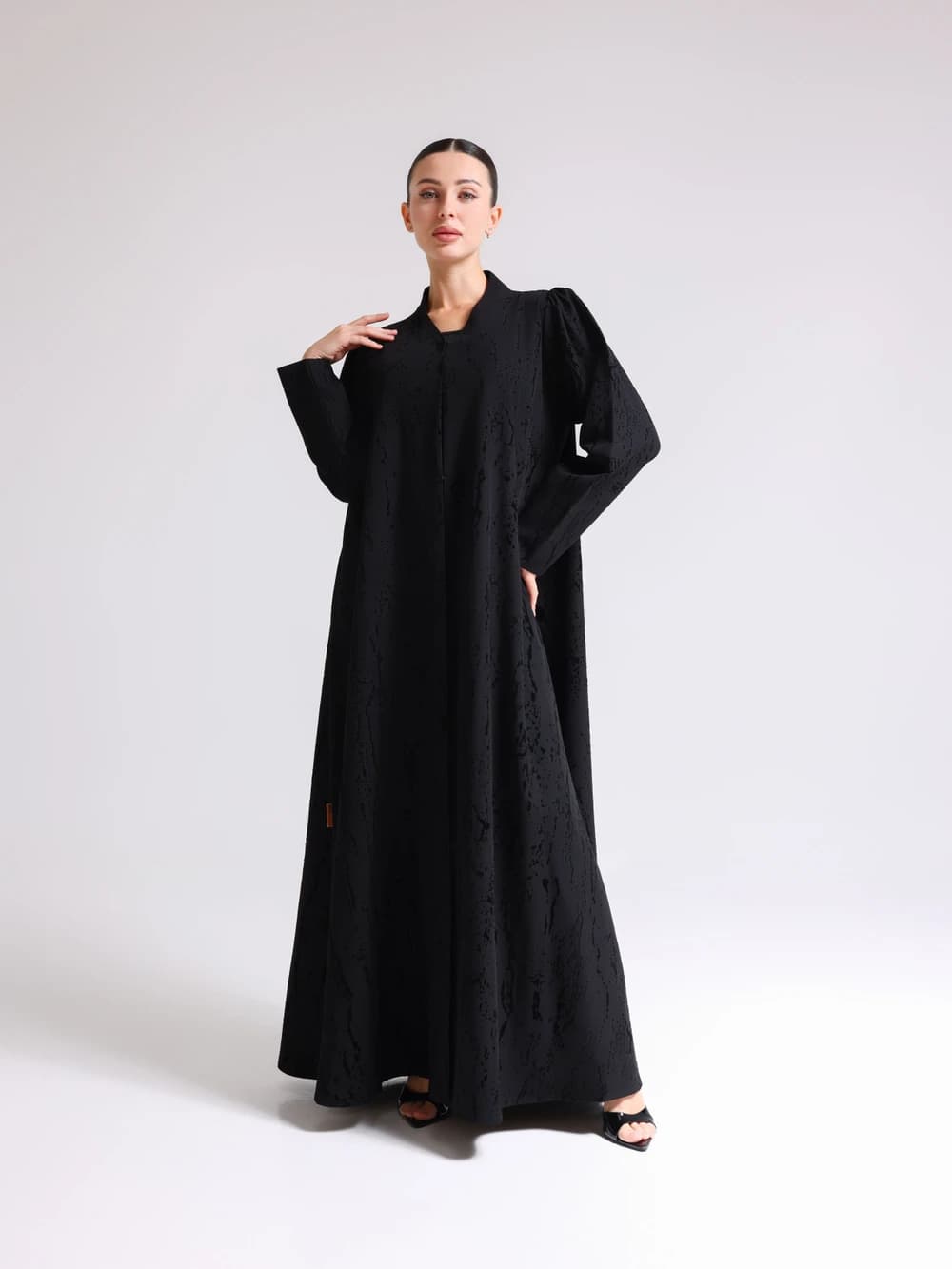
How to Photograph a Black Abaya So the Weave and Seams Still Show
Black abaya photography that keeps the weave, seams and stones: why the meter misreads black, where the lights go, black on white, and an edit that stays black.
· 9 min read
Beyond Black: Shooting Coloured and Pastel Abaya Collections
In coloured abaya photography, the shade on screen has to match the garment in the box. Grey cards, steady flash, the right wall and retouching to the card.
· 7 min read
Daylight Studio or Strobes: When Window Light Is Genuinely Better
When a natural light photo studio in Dubai beats strobes, which jobs still need flash, and how to plan a November shoot around sunset at 5:30 to 5:40pm.
· 6 min read
Six themed rooms in Al Quoz, lighting included, from AED 320 + VAT per hour.